How Customs Clearance Works in the USA — Step by Step Guide
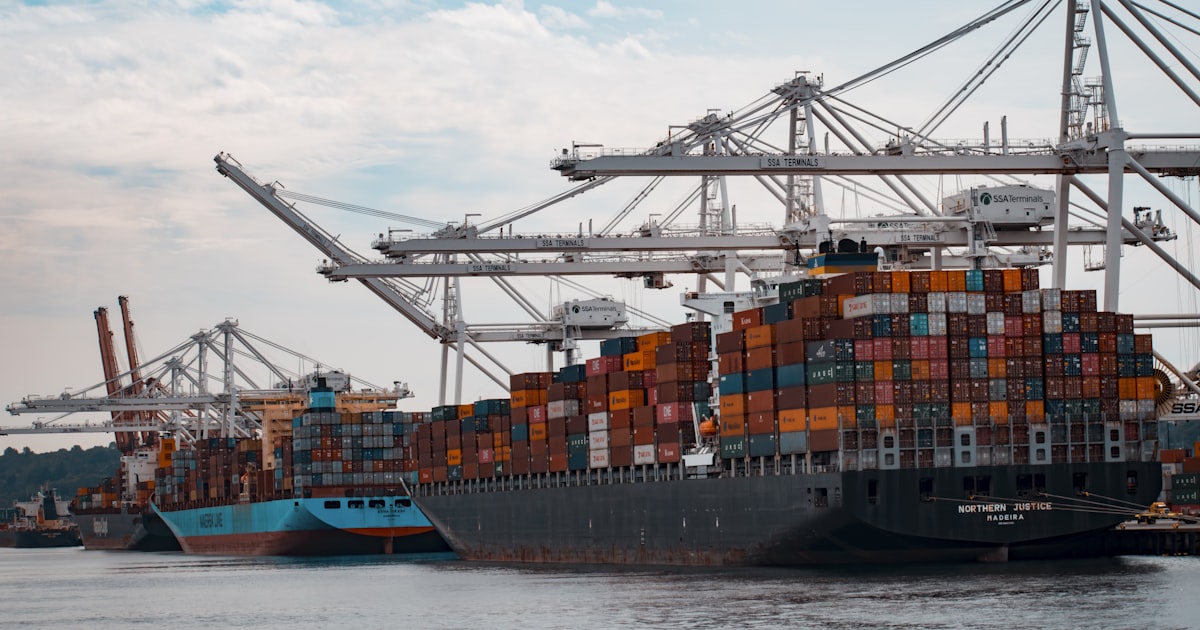
If you’re importing goods into the United States for the first time, the customs clearance process can feel overwhelming. There are forms, classifications, duties, bonds, and government agencies involved. But once you understand the steps, it’s manageable — especially with a licensed customs broker handling the details.
Here’s how US customs clearance works, step by step.
Step 1: Get an Importer Number
Before you can import anything into the US, you need an importer number. This is either your:
- IRS business tax ID (EIN) — if you have a US business
- CBP-assigned importer number — if you don’t have an EIN
You’ll use this number on all customs entries.
Step 2: File Importer Security Filing (ISF)
For ocean shipments, the ISF (also called 10+2) must be filed at least 24 hours before the cargo is loaded onto the vessel at the origin port. The ISF provides US Customs and Border Protection (CBP) with advance information about the shipment.
Failure to file the ISF on time can result in a $5,000 penalty per violation.
Your customs broker or freight forwarder typically handles ISF filing on your behalf.
Step 3: Customs Entry Filing
When your shipment arrives at a US port, a customs entry must be filed. This includes:
- Entry summary (CBP Form 7501)
- Commercial invoice — with detailed product descriptions, quantities, and values
- Packing list
- Bill of lading or airway bill
- Any required permits or certificates (FDA, USDA, EPA, etc.)
Your customs broker files the entry electronically through the ACE (Automated Commercial Environment) system.
Step 4: HTS Classification
Every product entering the US must be classified under the Harmonized Tariff Schedule (HTS). This 10-digit code determines:
- The duty rate you’ll pay
- Whether any trade agreements apply (which could reduce duties)
- Whether any government agencies need to review the import
Proper classification is critical. Classifying too high means you overpay on duties. Classifying too low can result in penalties, fines, and even seizure.
Step 5: Duty Calculation and Payment
Based on the HTS classification, CBP calculates the duties owed. Duties are typically a percentage of the declared value (called “ad valorem” duties), though some products have specific or compound duty rates.
You’ll need a customs bond to guarantee payment. There are two types:
- Single entry bond — for one-time imports
- Continuous bond — covers all imports for a 12-month period (recommended if you import regularly)
Step 6: Government Agency Review
Certain products require review by other government agencies before they can be released:
- FDA — Food, drugs, cosmetics, medical devices
- USDA — Agricultural products, plants, animal products
- EPA — Chemicals, vehicles, engines
- CPSC — Consumer products
- FCC — Electronics and radio equipment
- TTB — Alcohol and tobacco
If your product requires agency review, the customs broker coordinates the filing and follow-up.
Step 7: Customs Release
Once CBP reviews the entry and all duties are paid (or secured by bond), your shipment is released. This can happen in:
- A few hours — if everything is filed correctly and no exam is required
- 1-3 days — if additional review is needed
- 5+ days — if a physical examination is required
Step 8: Pick Up and Deliver
Once released by customs, the container can be picked up from the port (drayage) and delivered to your warehouse or final destination.
Do You Need a Customs Broker?
Technically, you can file your own customs entry. In practice, almost all commercial importers use a licensed customs broker because:
- The rules are complex and change frequently
- Mistakes are expensive (penalties, delays, seizure)
- A good broker optimizes your duty payments
- They handle government agency coordination
How AGF Handles Customs Clearance
American Global Freights has licensed US customs brokers who specialize in import clearance. Here’s what we handle:
- ISF filing (always on time — we’ve never missed a deadline)
- Entry filing through ACE
- HTS classification and duty optimization
- FDA, USDA, EPA, and other agency coordination
- Single entry and continuous customs bonds
- Post-entry audits and compliance support
The best part? Our customs team is integrated with our freight, drayage, and warehousing services — so there are no handoffs, no delays, and no finger-pointing.
Contact AGF for customs clearance support or call +1 (818) 220-8800.