How Much Does Ocean Freight from China to USA Cost?
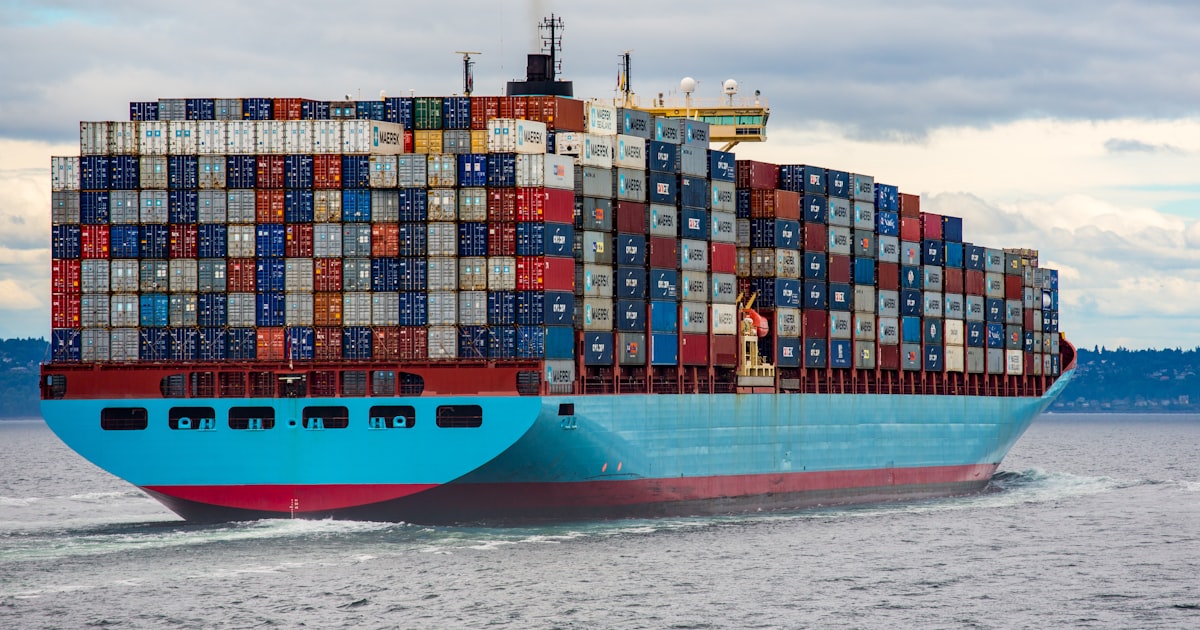
If you’re bringing goods from China to the United States, one of the first questions you’ll ask is: how much will shipping cost?
The honest answer is — it depends. But don’t worry, we’ll break it all down in plain language so you know what to expect.
What Goes Into the Price
Ocean freight pricing isn’t just one number. It’s made up of several parts:
- The ocean freight rate — this is the base cost to move your container from a port in China to a port in the USA
- Origin charges — fees at the Chinese port for handling, loading, and paperwork
- Destination charges — fees at the US port for unloading, handling, and customs processing
- Trucking — getting your container from the port to your warehouse or business
- Customs clearance — paying a broker to clear your goods through US customs
- Duties and taxes — what the US government charges on your imported goods
How Much Does a Container Cost?
Container rates change all the time based on demand, fuel prices, and how busy the shipping lanes are. But here’s a general idea:
| Container Size | Low Season | Busy Season |
|---|---|---|
| 20ft container (TEU) | $1,500 – $3,000 | $3,000 – $8,000+ |
| 40ft container (FEU) | $2,000 – $4,500 | $4,500 – $12,000+ |
| 40ft High Cube | $2,200 – $5,000 | $5,000 – $13,000+ |
These are just the ocean freight portion. Total door-to-door costs are usually higher once you add local charges, trucking, and customs.
Note: Rates can spike during peak season (August through October) and around Chinese New Year. Planning ahead helps you avoid the rush.
FCL vs LCL — Does It Change the Price?
Yes, a lot.
- FCL (Full Container Load) — you pay for the whole container, whether it’s full or not. Better value if you have enough goods to fill it.
- LCL (Less than Container Load) — you share space with other shippers and pay per cubic meter. Good for smaller shipments, but the per-unit cost is higher.
If your shipment is more than about 15 cubic meters, FCL usually makes more sense money-wise.
Hidden Fees to Watch Out For
Some freight quotes look cheap up front but add charges later. Here are fees that can catch you off guard:
- Demurrage — charges if your container sits at the port too long
- Detention — charges if you keep the container at your warehouse past the free days
- Chassis fees — for the trailer that carries your container from the port
- Terminal handling — port fees that some quotes leave out
- Documentation fees — for bills of lading and other paperwork
- Fuel surcharges — can change month to month
This is why we give all-inclusive quotes at American Global Freights. The price we quote is the price you pay — no surprise fees later.
What Affects Your Rate the Most?
A few things can make a big difference in what you pay:
- Where in China you’re shipping from — ports in South China (Shenzhen, Guangzhou) to LA are the cheapest route. Shanghai and Ningbo are close behind.
- Where in the USA you’re shipping to — West Coast ports (LA/Long Beach) are cheaper than East Coast (New York/New Jersey). Inland destinations add trucking costs.
- Time of year — rates go up in peak season and around holidays.
- How far ahead you book — last-minute bookings almost always cost more.
- Your shipping volume — regular shippers can often get better contract rates.
How to Get the Best Rate
Here’s what we tell our clients:
- Plan ahead — book 2-3 weeks before you need to ship
- Be flexible on dates — a few days’ difference can mean a different rate
- Consolidate shipments — combine smaller orders into one container when possible
- Work with a freight forwarder who has direct carrier contracts — that’s us. As an FMC-licensed NVOCC, we have our own rates with the big shipping lines
- Ask for an all-inclusive quote — so you can compare apples to apples
Get a Real Quote for Your Shipment
Every shipment is different, so the best way to know your cost is to ask. Tell us what you’re shipping, how much of it, and where it’s going — and we’ll give you a straight answer with no hidden fees.
At American Global Freights, we believe pricing should be simple and honest. That’s why every quote we send is all-inclusive. What you see is what you pay.